Autism Self-Assessment
If you've spent years adapting or quietly wondering why certain things feel harder than they do for others – this explores how autism can show up.

What are the signs of autism in adults?
Many autistic adults describe a quiet sense of being "different". It can show up as feeling drained after social time, needing predictability and routine to feel okay, getting deeply absorbed in specific interests, or noticing sound, light, or touch in ways other people don't seem to. Recognition often comes later in life, especially for women, non-binary people, and anyone who learned to mask early. If parts of this feel familiar, this self-assessment helps you reflect on whether autism might fit your experience.
What this assessment explores
If you've spent your life feeling like you experience the world differently — finding certain social situations exhausting, noticing things others don't, or wondering why some things that seem easy for others have always taken more effort – this assessment is a place to explore that. It looks at how autism can show up in adults, including people who've spent years adapting without ever having a name for why. It's built on the RAADS-R, a validated scale developed specifically for adults.
See the original scaleWhat you can expect
There are 80 questions – this one takes a little longer, and that's by design. The RAADS-R is thorough because autism in adults can be subtle, varied, and easy to miss. It's worth taking your time with it.
The questions touch on things like:
- How you experience social situations and relationships
- Sensory sensitivities – to sound, light, texture, or other input
- How you communicate and connect with others
- Patterns in your thinking, interests, or routines
- Experiences that may have felt confusing or hard to explain growing up
Your responses give you a clearer picture of whether your experiences align with patterns commonly associated with autism in adults – it's not a diagnosis, but something that can help you understand yourself more fully.
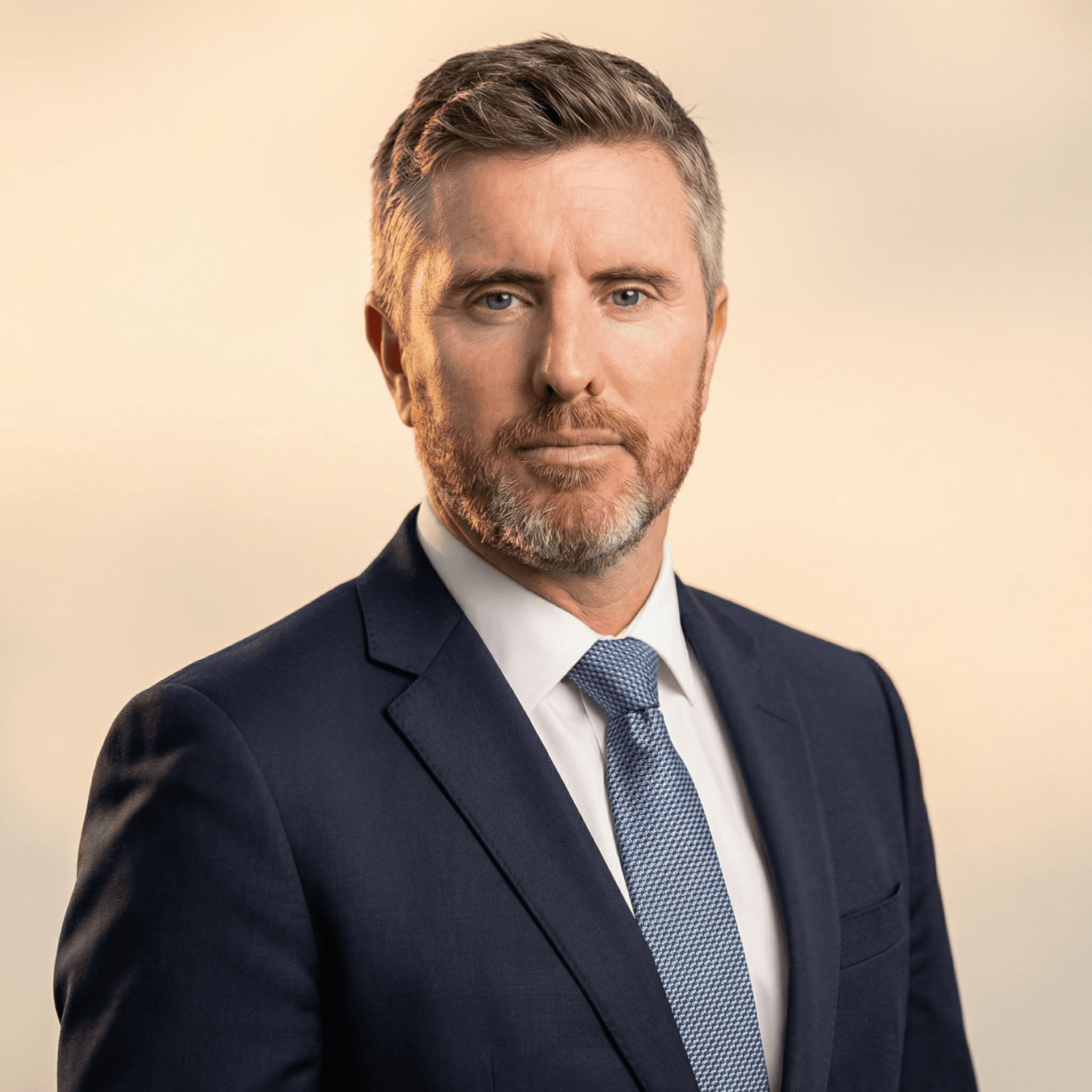
Dr David Hegarty
Head of Psychometrics | Psychologist
Why this is free and private
Insightable Mind is built by clinical and research psychologists to help people better understand themselves, while contributing to meaningful psychological research. These assessments are offered free as part of that work. Your responses are private – when data is used for research, it's fully anonymized and combined with others to help improve the assessments and answer important questions about human psychology.
Top tips
Our best advice to help you get the most out of your self-assessment: