Fatigue Self-Assessment
This assessment (based on the Fatigue Assessment Scale, FAS) looks at two sides of fatigue: the physical, such as tiredness and reduced energy, and the mental, such as difficulty concentrating or feel
What causes ongoing fatigue?
Persistent fatigue can come from many sources, from sleep, nutrition, and stress to medical conditions like anaemia or thyroid issues, or longer-term conditions like chronic fatigue syndrome and long COVID. It shows up as both physical tiredness and mental wear-out, and rarely has a single cause. This self-assessment helps you describe how fatigue typically feels for you, rather than how you feel on any single day.
What this assessment explores
Fatigue is more than ordinary tiredness. It's the kind of weariness that doesn't fully lift with a good night's sleep, and it can show up in how the body feels and how clearly the mind can work. This assessment is based on the Fatigue Assessment Scale, a brief research-developed measure that looks at fatigue across both its physical and mental sides.
See the original scaleWhat you can expect
The assessment is short. You'll read ten statements about how you usually feel and choose how often each one applies, on a scale from Never to Always. It takes about two minutes to complete, and your results appear straight after.
The result is a snapshot of how your fatigue is currently shaped. It can be useful to reflect on, share with someone supporting you, or revisit later to see how things shift over time. Fatigue moves with sleep, workload, mood, and physical health, so a single result is a starting point rather than a fixed picture.
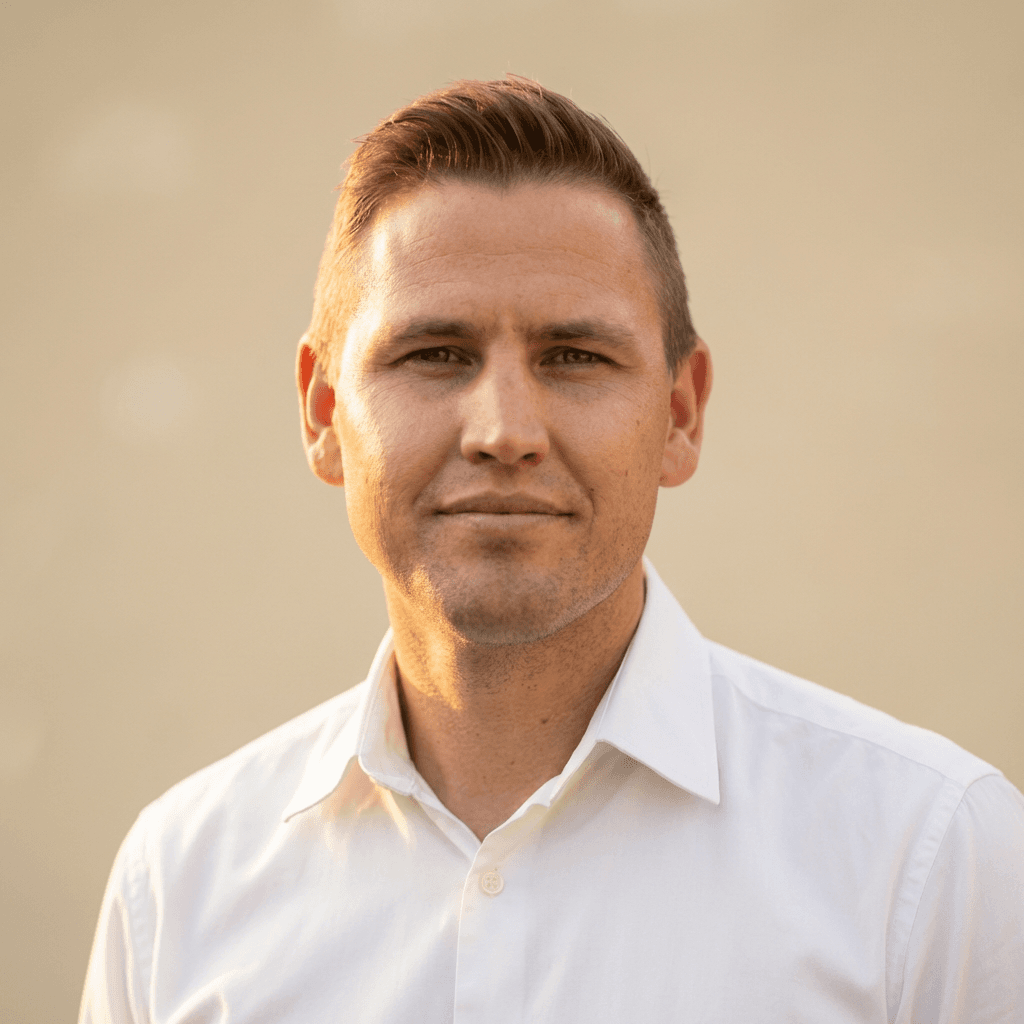
Dr Simon Baker
Research Fellow
Why this is free and private
Insightable Mind is built by clinical and research psychologists to help people better understand themselves, while contributing to meaningful psychological research. These assessments are offered free as part of that work. Your responses are private – when data is used for research, it's fully anonymized and combined with others to help improve the assessments and answer important questions about human psychology.
Top tips
Our best advice to help you get the most out of your self-assessment: